The Diagnosis Moment
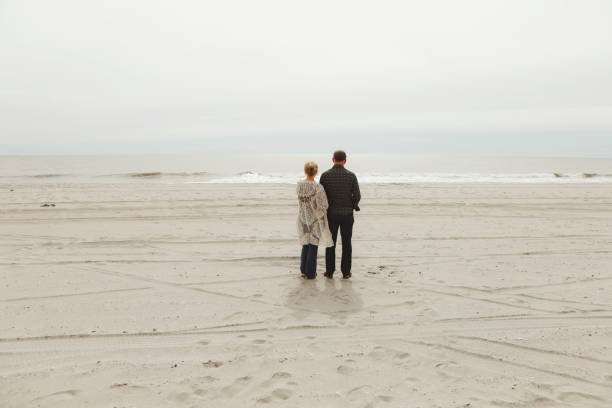
I still remember the room.
The table. The papers spread across it. The quiet that settled after the words were spoken - words we had never heard before, had never had reason to learn, words that suddenly carried the full weight of our son's future.
We nodded. We thanked the specialist. We walked to the car.
And then we sat there, not entirely sure what had just happened.
A whole new language, all at once
One of the things nobody prepares you for is the language.
In the span of a single appointment, you may hear terms you have never encountered in your life - clinical, multi-syllabic, layered with implication. And you are expected to receive them, process them, and somehow begin charting a path forward, all in real time.
Words like:
Executive functioning deficits
Sensory processing disorder
Auditory working memory
Atypical neurological development
What do they mean for my child today? What do they mean for next year? For school? For friendships? For the life we imagined?
Most parents leave that room carrying not just a diagnosis - but an entirely new vocabulary they were never taught, and a set of questions they don't yet know how to ask.
The collision of feelings
What makes the diagnosis moment so disorienting is that it doesn't arrive as a single emotion. It arrives as several, all at once.
There is relief - finally, a name for what you have been witnessing. Finally, something concrete to hold onto. You weren't imagining it. You weren't failing as a parent. There is a reason, and now there is a path to understanding it.
And then, right alongside that relief, something that feels a lot like grief.
Not grief for your child - your child is exactly who they were five minutes ago, exactly the same person you love completely and without condition. But grief, perhaps, for a version of the future you had been quietly carrying. For the road you thought you were on.
And underneath both of those, often: guilt. The questions that surface without warning. Did I miss something? Should I have pushed sooner? Could I have done something differently?
All of this - relief and grief and guilt and love - arriving at the same moment, in a room you didn't choose, in a language you were never taught.
That collision of feelings is not weakness. It is what it looks like to love a child fiercely and want the very best for them.
What the system gives you - and what it doesn't
In most cases, what follows a diagnosis is a report. Pages of clinical observations, scores, percentiles, and recommendations. A referral or two. Perhaps a follow-up appointment on the calendar.
What is rarely offered is what parents actually need in that moment: someone to say that what you are feeling is normal. That the overwhelm is expected. That you don't have to have a plan today.
The system is built to diagnose. It is far less equipped to hold the human moment that diagnosis creates.
A diagnosis is a map, not a verdict
Here is what we eventually came to understand - and what we wish someone had told us in that room:
A diagnosis does not define your child. It describes how their brain is wired. And that is a profoundly different thing.
A map doesn't tell you what your journey will look like. It doesn't determine how far you'll go or what you'll discover along the way. What it does is give you something you didn't have before: orientation. A clearer sense of the terrain. Language to ask for the right support.
The door isn't closing. It is opening - onto a path that is better understood, better supported, and more honestly yours.
Your child is still entirely themselves. They still have the same gifts, the same humor, the same capacity for joy and connection and growth. The diagnosis didn't change that. It simply gave you better tools to walk alongside them.
You don't have to have it figured out today
If you have recently sat in that room, or are about to - this is for you:
You are allowed to feel all of it. The relief and the grief and the confusion and the love. None of those feelings are a sign that you are doing this wrong.
You do not need to have a plan by the time you reach the car. You do not need to have answers by the end of the week. What you need - first, before anything else - is a moment to simply be with what you have just learned.
The research can come later. The appointments and the IEP meetings and the strategies can come later.
Right now, all that matters is this: your child is still your child. They need what they have always needed from you - to be seen, to be loved, and to know that you are in their corner.
That part hasn't changed at all.
And that is more than enough to begin.
About the author: Sylvia Hall is a parent to a neurodivergent child and co-founder of pebl connect. She writes from lived experience, alongside ongoing coursework and collaboration with research teams studying neurodivergent connection and communication.